Through Wangu, eL Magondu Asks What It Really Means to Love Someone
Love stories in film usually begin with a formulaic certainty. Someone meets someone else, they fall in love, something gets in the way and they eventually overcome all hurdles and bottlenecks to live happily forever after. Wangu subverts all expectations and anchors itself steadfast in uncertainty. Its creator, multidisciplinary artist eL Magondu, wasn't trying to write a romance. She was trying to answer a question that had incessantly followed her from one relationship to the next: What does it actually mean to call another person mine? This is the leading question at the centre of her debut film that reaches far beyond the screen, spilling out and over into contemporary dance, fashion, live performance, installation art and conversation. Rather than presenting Wangu as a single screening, El chooses to let it unfold across four acts, the first one being film, allowing audiences to return to the work over several months instead of consuming it in one sitting. The format mirrors the subject itself. Love, after all, is rarely ever understood in a single moment.
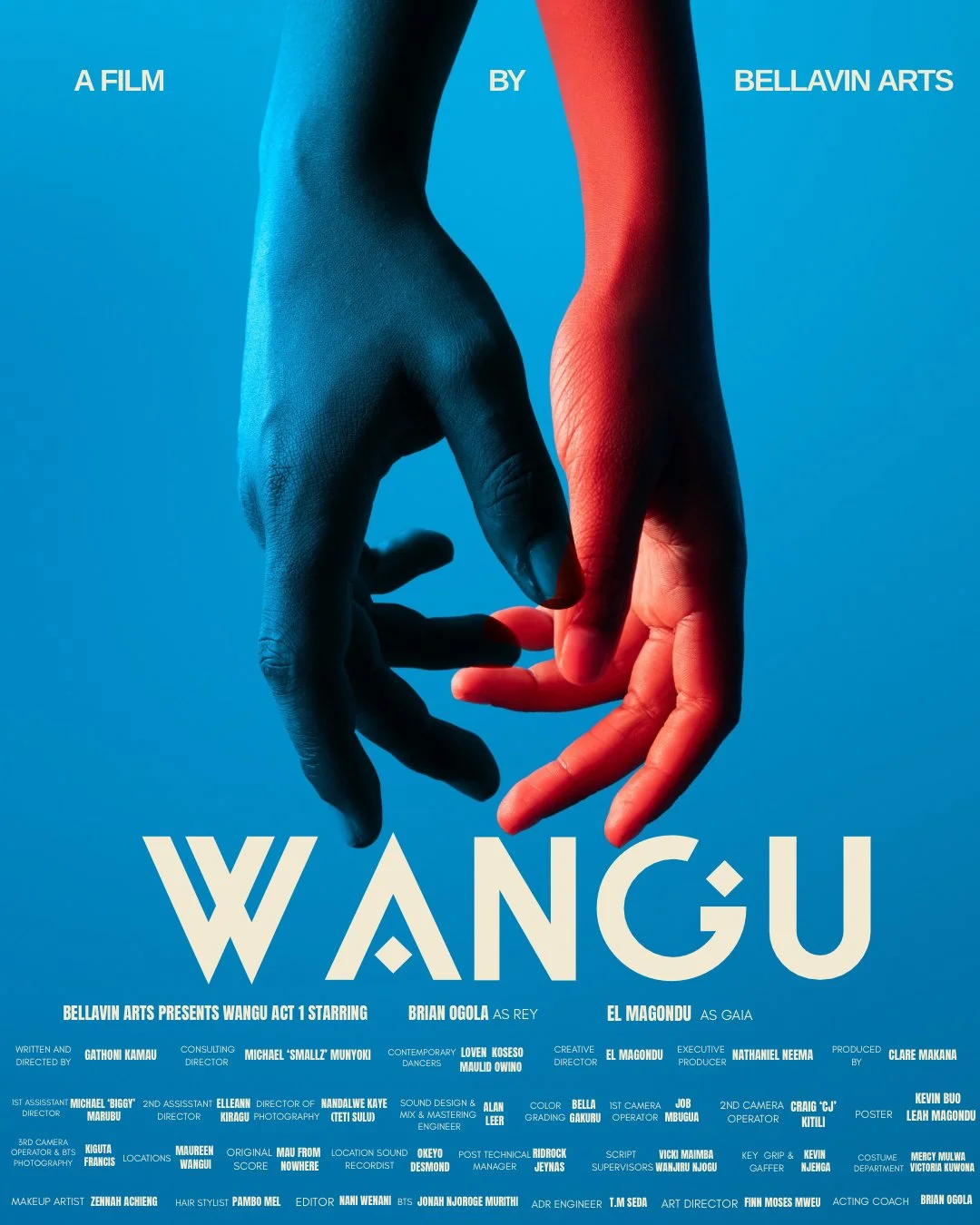
Wangu movie poster
"When you say mine in English," she tells me, "it could refer to anything. My phone. My chair. But Wangu is different. It is immediately clear that it’s about a person." That distinction became the beginning of the project. She wanted to examine the fragile line between intimacy and ownership. Between loving someone and believing they belong to you. Between saying you are mine as an expression of affection and saying it as a claim over another person's autonomy and freedom. "Wangu is really about asking where love ends and possession begins." she adds.
There are no easy answers waiting at the end of the film. That is deliberate. eL is suspicious of stories that arrive with neat conclusions. Instead, she offers audiences something less comfortable: a mirror. It is perhaps surprising that someone who has spent years building visual identities for musicians would eventually arrive here. Before stepping in front of the camera herself, eL had established Bellavin Arts as a home for fashion, styling and creative direction. Her portfolio includes work with artists such as Yemi Alade, Johnny Drille, Bensoul, Elsy Wameyo and Okello Max. The names matter, but only to a point. Each collaboration became less about the artist standing in front of her and more about the artist she was becoming herself. With every production, her confidence grew a little larger than it had been before. Styling, she says, is an unusually intimate profession. You meet people at their most bare before the performance begins. You watch confidence rise and collapse in dressing rooms. You witness how clothing changes posture way before it changes appearance. Over time, she realised she wasn't simply choosing outfits but helping people see themselves differently. She recalls one actor asking her to spend an entire lunch break walking him through a shopping mall, teaching him how to build a solid wardrobe collection. Others permanently changed their personal style after working with her. Those moments stayed with her because they revealed something she now carries into every discipline she works in. Art changes people internally before it changes what everyone else can see.
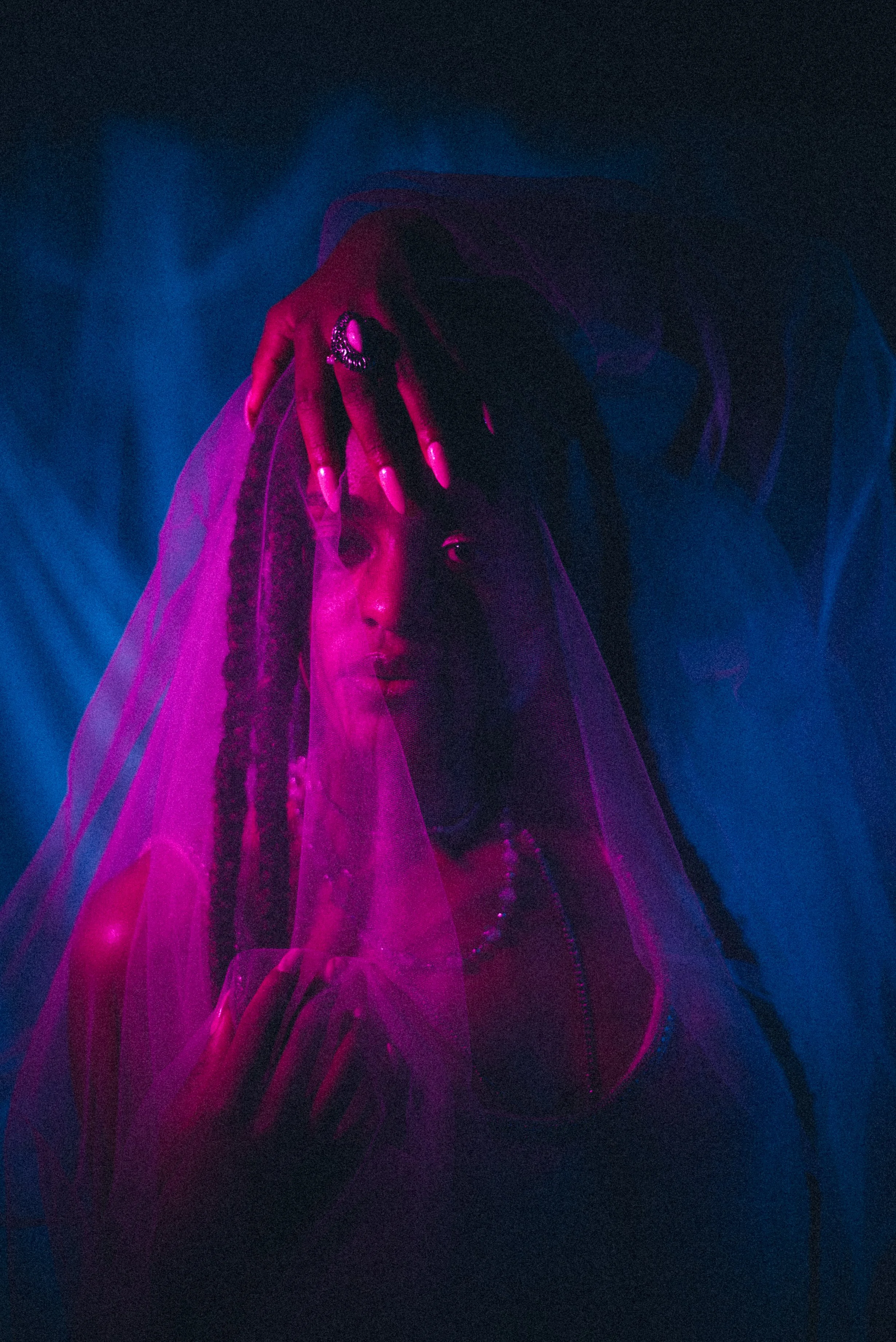
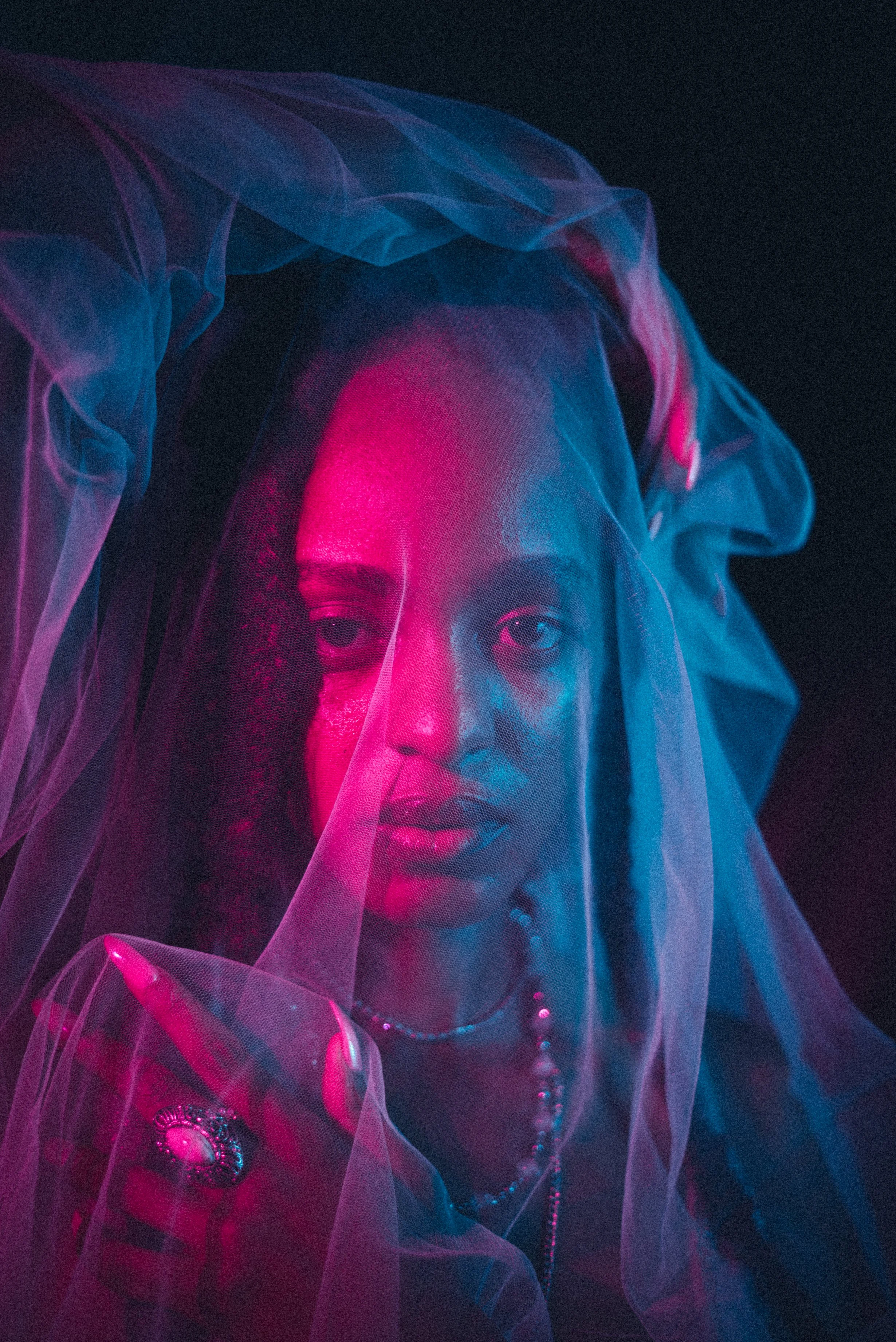
El Magondu
The same philosophy finds its way into Wangu. Although the project marks her first lead acting role, taking on the character Gaia alongside Brian Ogola as Rey, it did not begin as an acting exercise or even as an attempt to become a filmmaker. It began during a period when her own relationships had left her more confused than enlightened. "I kept asking myself what love actually was," she says. "Surely this couldn't be it." She started collecting stories to understand what love looks like for different people. She spoke to friends about heartbreak. She called writers to ask uncomfortable questions about relationships. She spoke to men about former partners and asked women what they wished they had said but never did. Again and again, she encountered the same pattern. People weren't struggling because they lacked feelings. They were struggling because they carried entire conversations inside themselves that never reached the people they loved. Those silent conversations became the undercurrent to the emotional language of Wangu. The film is built as much from internal dialogue as spoken dialogue. It inhabits the liminal space where memory, imagination and reality begin to overlap, allowing thoughts that usually remain private to exist outside the mind. That choice feels particularly timely as contemporary conversations about relationships often swing between two extremes. One insists that love should conquer everything. The other dismisses vulnerability altogether in favor of superficial intimacy. Wangu refutes both positions and instead asks viewers to live a little longer inside uncertainty and sit still with the discomfort.
For eL, uncertainty is often where the most truthful work begins. She speaks about emotion the way other artists speak about colour or composition. "I think emotion is wisdom," she says. "People treat it like the enemy, but it tells us things." That belief features throughout her work with her platform Bellavin Arts. Ask why Bellavin Arts moves so easily between fashion, photography, film and performance, and she is likely to shrug. The medium is never the starting point. The feeling is. She often describes herself as a co-creator rather than simply a creator, believing that ideas arrive first and only later reveal the form they are meant to take. Some become garments. Others become photographs. Others insist on becoming films.Wangu happened to demand all of them. Rather than treating each discipline as a separate attraction, eL uses them as different languages, each expressing a part of the story that words alone cannot.Film captures interiority. Dance gives shape to emotions words cannot contain. Fashion becomes another form of storytelling. Each discipline completes something the others leave unfinished.
That creative openness also shaped the production itself. Rather than treating collaboration as the execution of a fixed vision, eL approached it as an ongoing conversation. Writer Gathoni Kamau helped reshape early drafts into something richer than the original script. Actor Brian Ogola became both scene partner and acting coach, pushing her emotionally before difficult scenes while reminding her to separate herself from the character she was portraying. Director of Photography Teti Sulu brought visual ideas she had never imagined herself. Instead of insisting on one predetermined route, she allowed the work to evolve through everyone who touched it. "The goal is the destination," she says. "How we get there can change." It is an unusually generous philosophy in a creative culture that often celebrates singular genius over collective authorship. Yet perhaps the most unexpected collaboration happened between the film and its creator.
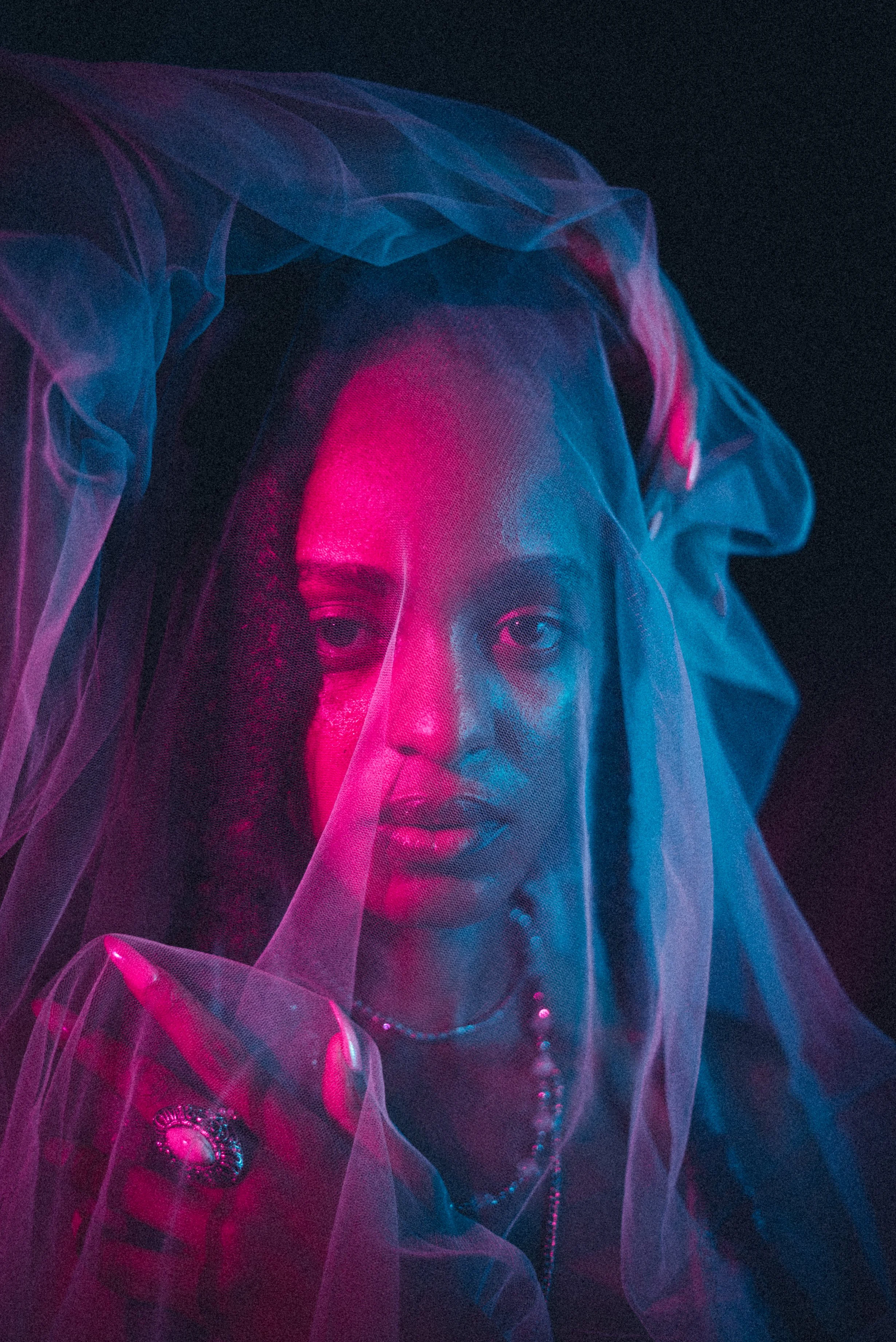
El Magondu
By the time Wangu entered the editing room, life had begun imitating the script. eL found herself living through a relationship that echoed many of the emotional tensions she had already written into the film. Scenes she had performed months earlier now acquired new meaning. There were days when editing became impossible because the work had become too personal to watch. Instead of merely documenting heartbreak, the film began confronting its maker with her own emotional habits. "It became a mirror," she says. One of the clearest lessons it left behind was radical honesty. Today, she speaks openly about emotional availability in a way she admits she could not have before making Wangu. Rather than entering relationships she knows she cannot sustain, she has learned to recognize her own limitations before they become someone else's wounds.
When I ask what she hopes people carry with them after experiencing all four acts, starting with Wangu- The Film, she doesn't talk about accolades or festival selections. What matters to her is whether someone walks away seeing themselves a little more clearly than when they arrived. Maybe they leave with a difficult conversation they've been avoiding. Maybe they recognise a part of themselves in Ray or Gaia. Maybe they begin to question the quiet assumptions they've carried into every relationship they've ever had. That has always been the point. Wangu does not argue for a particular way of loving, nor does it pretend to have solved the contradictions at the centre of intimacy. It simply creates space for people to sit with questions that are often easier to avoid than confront. In a moment when emotional detachment is frequently mistaken for self-preservation, that feels like a particularly defiant gesture. Perhaps that is what eL has been making all along. Not films, or clothes, or installations, but invitations. Invitations to look inward, to stay with uncomfortable emotions a little longer, and to imagine and eventually see that vulnerability might be less of a weakness than we've been taught to believe.