From The Base, To The Billboards
Remember these names: Zawadi; Chris Barr; Mjugune; Ras Amor; Mannaseh Shalom; Muringi Matheri.
The Crucible
The journey from local talent to global prominence is rarely straightforward, but the "Base To Billboards" campaign is looking to change that trajectory. Driven and run by ACE, Africa Centric Entertainment, and their mission of delivering world class experiences, the campaign operates as a new superstar incubator. Sponsored by Tusker and EABL, this initiative is designed to bridge the gap between our industry's rising stars and the global stage. It strips away the romanticized illusions of fame and immerses artists in the gritty reality of the "base." Rather than a standard talent search, it employs rigorous, multi-stage elimination rounds designed to test consistency, creative evolution, and resilience under pressure.
This sentiment of unity reflects a broader collective ethos within the cohort, one built on authentic self-expression and the modernization of the Kenyan sound. For these artists, the program serves as a vital testing ground to push their creative limits and overcome the historical lack of structural backing that has long hindered local acts. By navigating creative disagreements under expert mentorship and learning to leverage each member's unique "superpower," the cohort is actively demonstrating that with the right corporate pipelines and strategic guidance, raw Kenyan talent can seamlessly translate into global cultural impact.
The Final Six
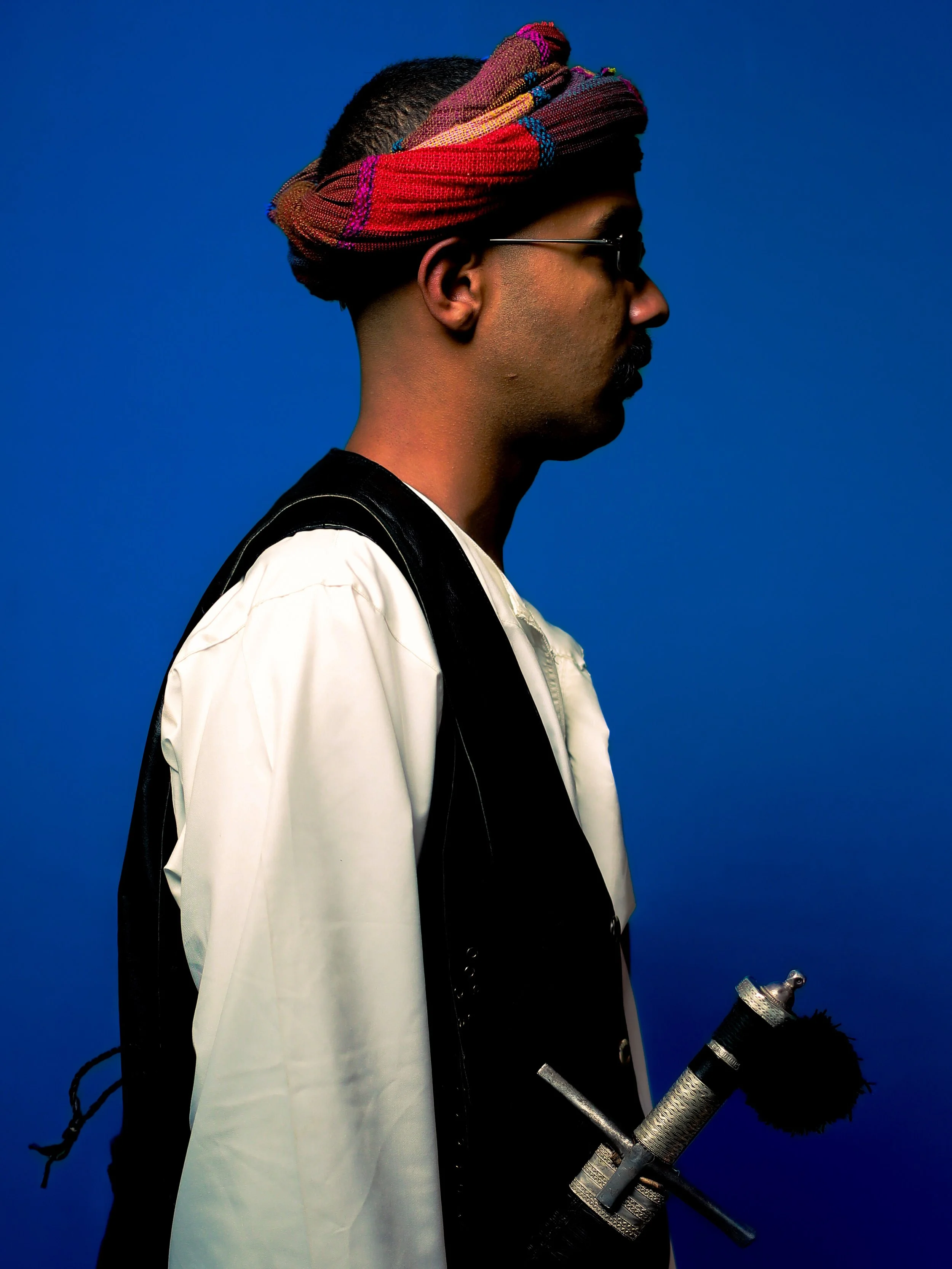
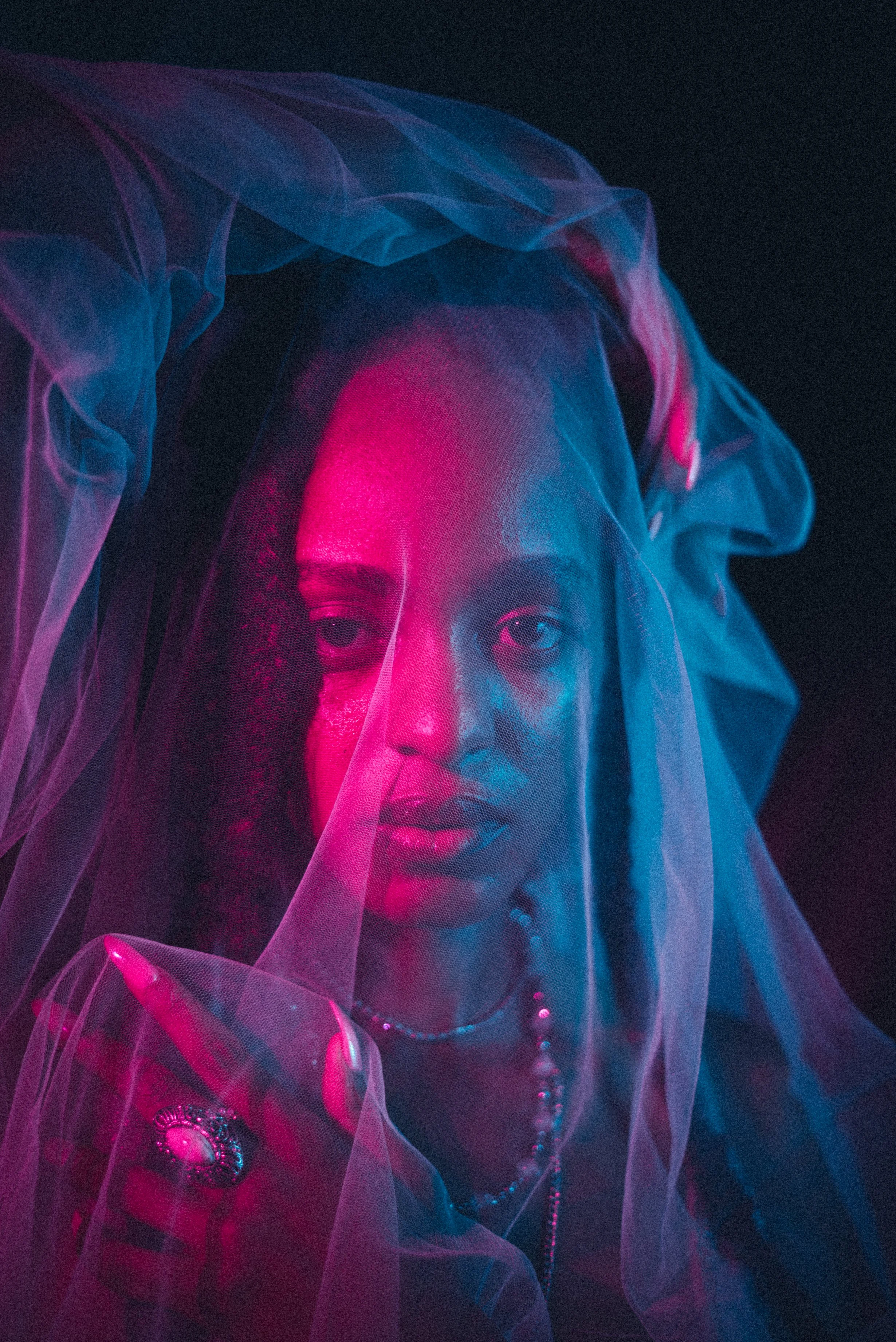
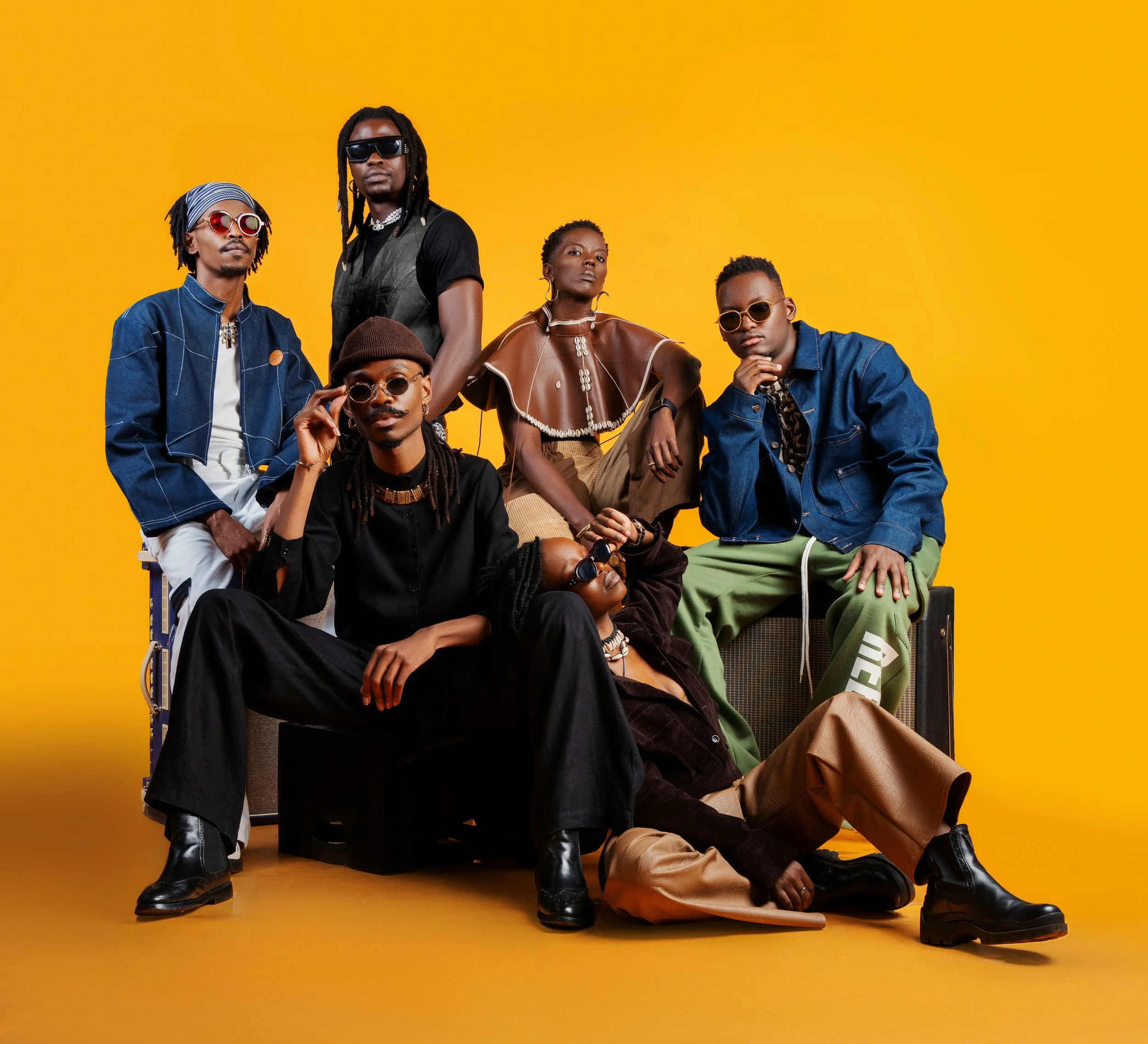
Out of the demanding process of auditions, and from a list of around 30 promising acts, emerged a cohort of six exceptional artists; Zawadi, Chris Barr, Mjugune, Ras Amor, Mannaseh Shalom, and Muringi Matheri. The campaign intentionally moves beyond their musical abilities to focus on the holistic human element of artistry. It dives into their unique backgrounds and intrinsic motivations. By meeting these artists in their element, we get to see the people behind the microphones and understand exactly what drives them to succeed.
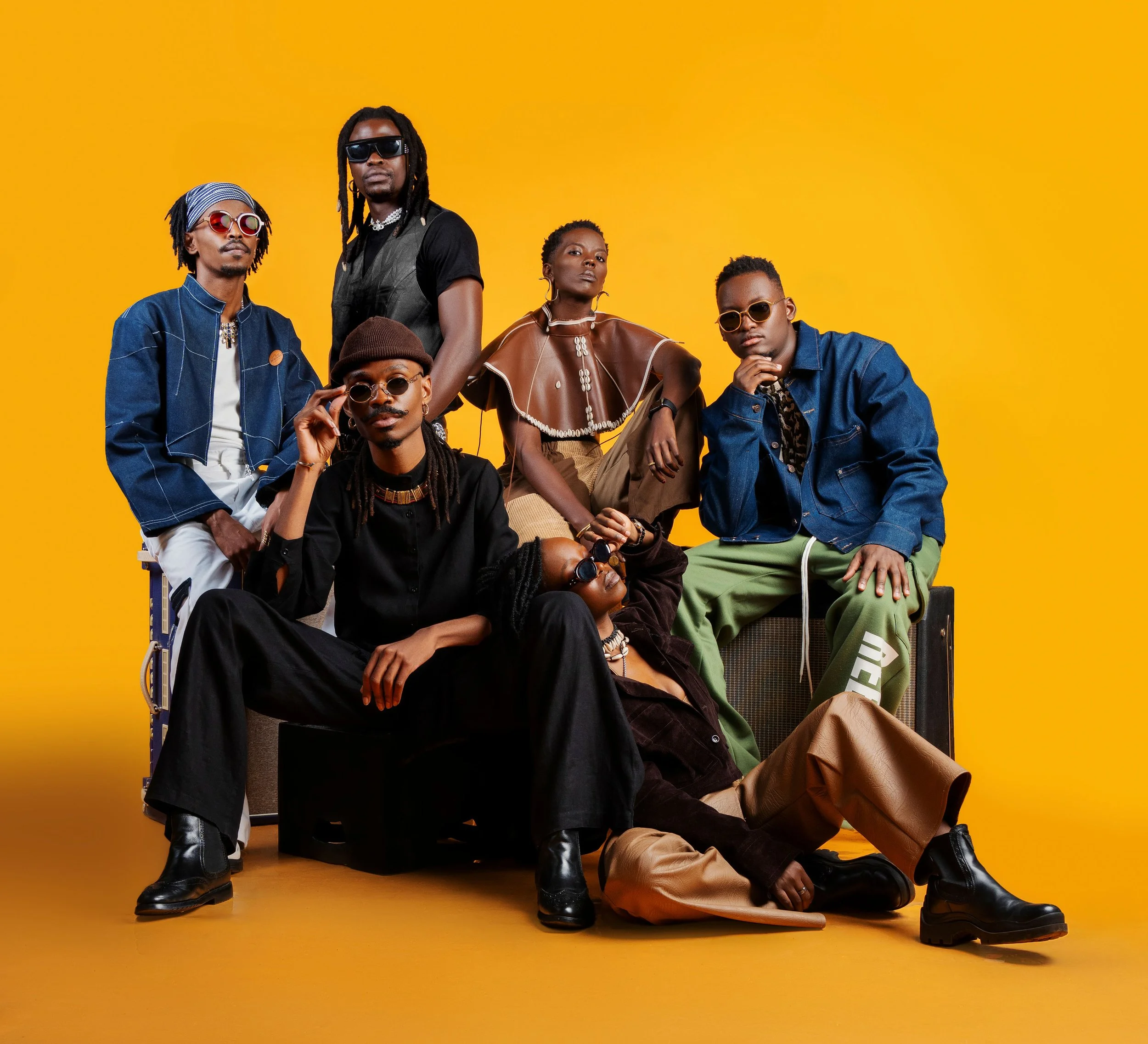
Mannasseh Shalom, Ras Amor, Muringi Mathare, Mjugune, Chris Barr, Zawadi
Muringi Matheri defines herself as a singer-songwriter, performer, dancer, mother, but also mentions; "Some people might think I am an entertainer. But overall, I'm just a human being."
Firmly believing that East Africa is the inevitable future of a global musical revolution, she has fiercely embraced the rigorous standards set by coaches like Ywaya Tajiri and Chikwere Onwukwe. She is wise with her approach, and assures, "You don't need to learn the hard way to know how the game works".Beyond the technical training, Muringi has found profound grounding in her peers. She views her fellow artists not as competition, but as essential pillars of support, recognizing Chris Barr as the group's emotional anchor and Ras Amor as its relentless visionary, proving that collective elevation is just as important as individual ambition. Muringi demands, "The world has already seen the South, the West. The future is the east". rightfully so, as she and her colleagues around the region are on an exciting trajectory.
Describing herself as a vibrant “splash of sounds” who finds purpose in getting lost within melody, Zawadi approaches her artistry with profound introspection and transformative intent. For her, music is more than entertainment, as she states, “I'd like for my listeners to change their ways for the betterment of whatever it is they're trying to reach and that's what my music in general should encompass To her, entertainment is an intentional catalyst for personal growth, designed to prompt listeners to reflect, heal, and evolve toward their highest potential. Within the incubator, she discovered essential solidarity among her fellow artists and mentors, realizing that hurdles like creative blocks are universal realities rather than solitary battles as she notesI have a few aunties in here, and my fellow colleagues,we relate on issues that musicians go through. It made me feel like I'm not alone”. Grounded in this sense of community and equipped to build a sustainable creative ecosystem, Zawadi carries an unwavering conviction regarding the power of local music: asserting that Kenyan sound is not merely a genre, but a living, human expression from a people who are “more than capable” of commanding the global stage. She also states, “Kenyan music doesn't mean it's a genre. It's a people. We exist. We have the same problems that other people do”.
Njuguna, a dynamic singer, songwriter, and guitarist, weaves a rich tapestry of regional influences into the collective, drawing heavily from his formative years in Nakuru and Mombasa. He vividly describes the Base to Billboardz experience as a "prophecy of greatness," one that has dramatically refined his vocal technique, stage presence, and approach to songwriting. Moving away from the mindset of an isolated solo act to embrace the power of collaboration, Njuguna emphasizes that structured financial investment and unwavering streaming support from local audiences are the true catalysts needed to propel Kenyan artistry onto the world stage. In his words,"We can only go globally if you start listening to us …, and we won't let it down.”
For Ras Amor, an artist who takes immense pride in championing the authentic Kenyan identity, the initiative has provided the ultimate launchpad. By unlocking unprecedented access to elite producers, top-tier studio equipment, and high-end production, the program has delivered the tangible resources the local scene has desperately craved, “We can record quality music, write the best music with the best coaches, record at the best studios, and that's what Kenya has been needing for a long time”. Yet, Ras Amor keenly understands that great music alone is not enough; he deeply values the business mentorship and marketing strategies required to ensure their art actually reaches the masses. Armed with a relentless growth mindset and an infectious, high-energy ambition, he remains deeply optimistic about the industry's trajectory, standing firm in the belief that for Kenyan music, "The best is yet to come”.
For Manasseh Shalom, an artist, instrumentalist, and producer who looks at his craft through a lens of profound deliberation and cultural guardianship, this initiative gives him an effective way to lift up sincere stories. He is firm in what he believes, saying that “ what the world needs to recognize about Kenyan music is that it is intentional,” as he is also someone who doesn’t like the idea of arbitrary songs..” He calls himself a “simple, cultured, man, who's just trying to do good to live truly … to do what he was brought here to do. ” and this is seen in his actions and how he approaches his music. There’s humility, but also this confident, forward-leaning direction in Shalom’s mindset. With his attention set on a changing horizon, he’s standing by to help set a fresh measure, and he’s sure that “the future for Manasseh Shalom” leads to “greatness”, and that as a solo artist and member of the collective, he states “there’s something we’re going to redefine.”
For Chris Barr, an artist who sees his creative journey through deep introspection and a communal togetherness, his music works as a shared mirror for day to day living. He talks about choosing to view himself as “a vessel .. whereby I get to show people how I experience the day to day. Because we're all seeing the same things.” There’s this constant, restless hunger in him for personal and artistic change, and he mentions that “one thing that usually just makes me want to live another day is how better can it get? As a musician, and as a human being.” And when he gets into why it matters, he’s clear that “human connection is very community based. very communal,” so he pushes radical authenticity. Barr also refuses the notion of a Kenyan national sound. Instead he celebrates what Kenyan music really is, “a mix of everything” that moves across R&B, folk, and reggae. To him, it’s the refusal to be “boxed in one space” that makes this variety of rhythm so quietly remarkable, as it’s beautiful on purpose, not by accident.
The Process
Surviving and thriving in an industry that at times lacks an established infrastructure requires serious guidance. This is where the campaign's elite leadership team comes in. With Project Lead Bien, Songwriting Coach Ywaya Tajiri, Producers Kobby Worldwide, and Humphrey Mboks, Dance Coach Chikwere Onwukwe, Vocal Coach Lisa Oduor Noah, and Industry Coach Marek Fuchs, the artists receive masterclasses in navigating all elements of what it means to be a star. Under this mentorship, the cohort is actively evolving the local soundscape, and mastering their craft by synthesizing their unique personal influences and heritage with modern innovation.
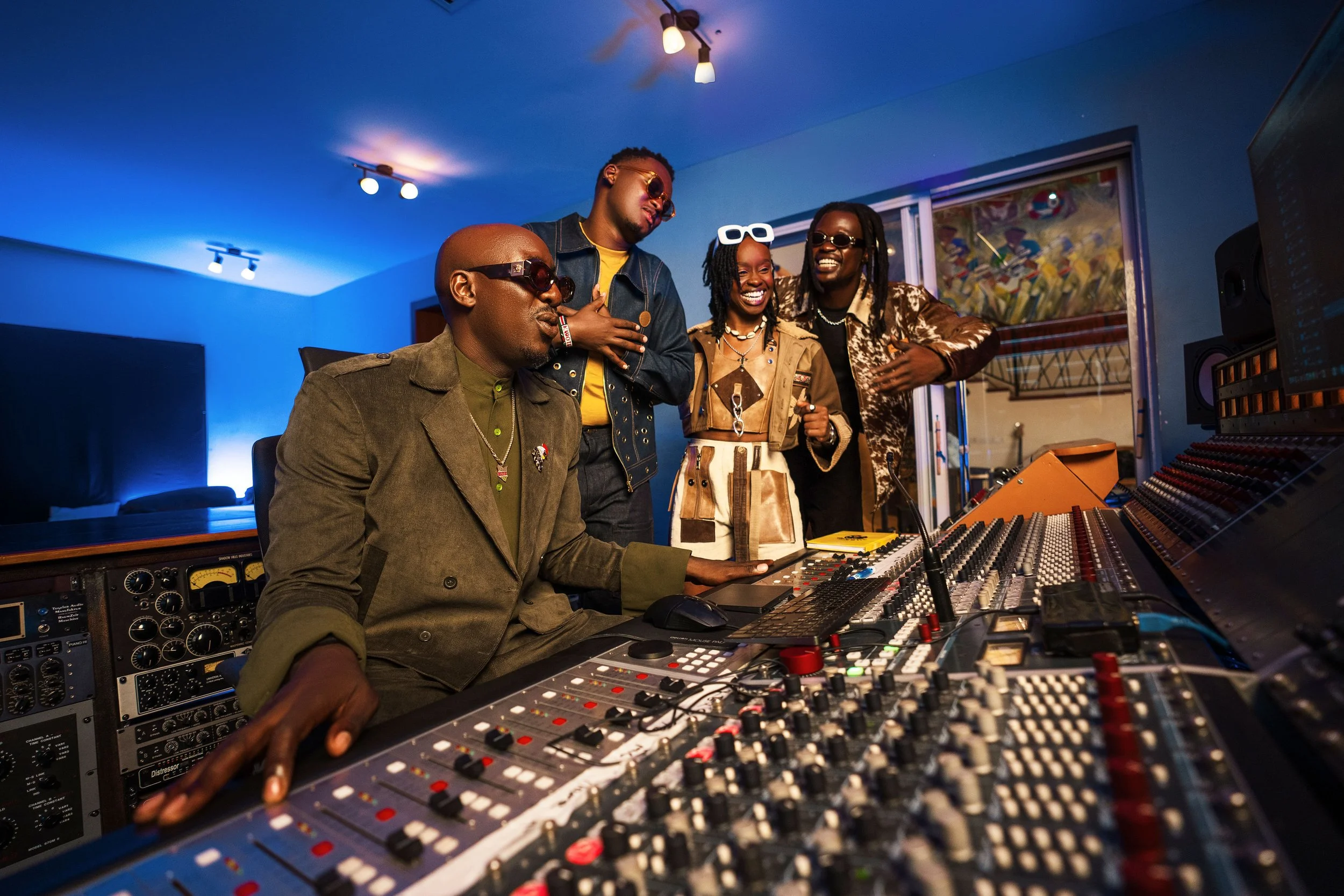
Bien, Mjugune, Zawadi, Ras Amor
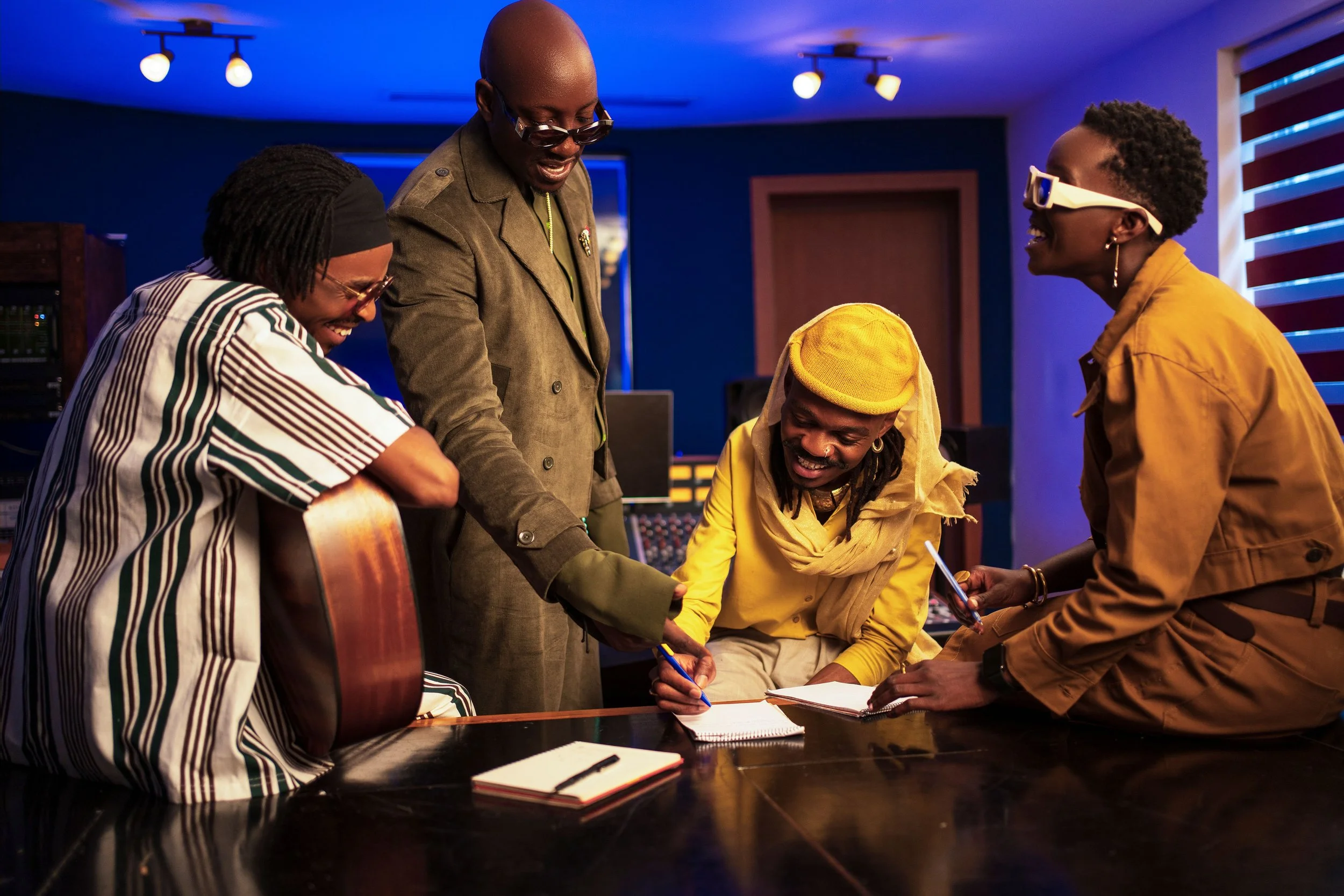
Manasseh Shalom, Bien, Chris Barr, Muringi Matahre
What makes Base To Billboards fascinating is its digital-first multimedia strategy, which provides a completely transparent look at the creative process that is immortalized online. The journey is meticulously documented through YouTube episodes, vlogs, and intimate interviews. This transparency demystifies the path from the "base" to the "billboard," capturing the artists' humanity. Audiences aren't just watching for their performance capability, but rather they are connecting with the artists' real-life stories and struggles. In the modern era of breaking an artist, the digital footprint is critical, and they have created a fascinating method of characterizing and shining light on their artists.
The campaign consisted of a writing camp, which produced 45 songs from the collective, dance classes, vocal classes, marketing classes, a reality show, and 6 months of greatness. The sessions were hosted by Snowball Industries, one of Kenya’s most prestigious studios where the nation's best and international acts work. Running from February to July 2026, the B2B program plunged the final six artists into the intensive regime. The curriculum demands rigorous weekly workshops focused on core artistic skills. Monthly masterclasses with Marek focused on the business side of music, such as defining visual aesthetics, brand identity, and collective naming. This grueling but collaborative writing camp pushed the artists to synthesize their individual styles, ultimately resulting in the production of 45 original songs.
Beyond the Campaign
Ultimately, B2B serves as an essential bridge for Kenyan artists trying to move "from local stages to global platforms," as noted by KBL's Head of Mainstream Beer, Christine Kariuki. To even qualify for the program, the artists needed a proven track record; at least one million career streams, an online audience of 8,000+, and a history of live performances. B2B supplies the crucial missing links; infrastructure, long-term mentorship, and financial backing required to turn that raw momentum into sustainable careers. The campaign culminated in the formation of a unified music collective, Keteh, and a high-profile listening session where the top 20 tracks from their 45-song catalog were debuted, proving the leap from the base to the billboards is possible.