KidFromKigali On Staying Grounded While Reaching For The World
When I ask KidFromKigali how he would describe his artistry to someone encountering it for the first time, he keeps it simple: “It’s a versatile sound.” He moves through Afrobeats, sits comfortably in hip-hop, and leans into melody when the mood calls for it. For him, genre isn’t the point, the feeling is. That creative ease is hard-earned over years of dedication to his craft.
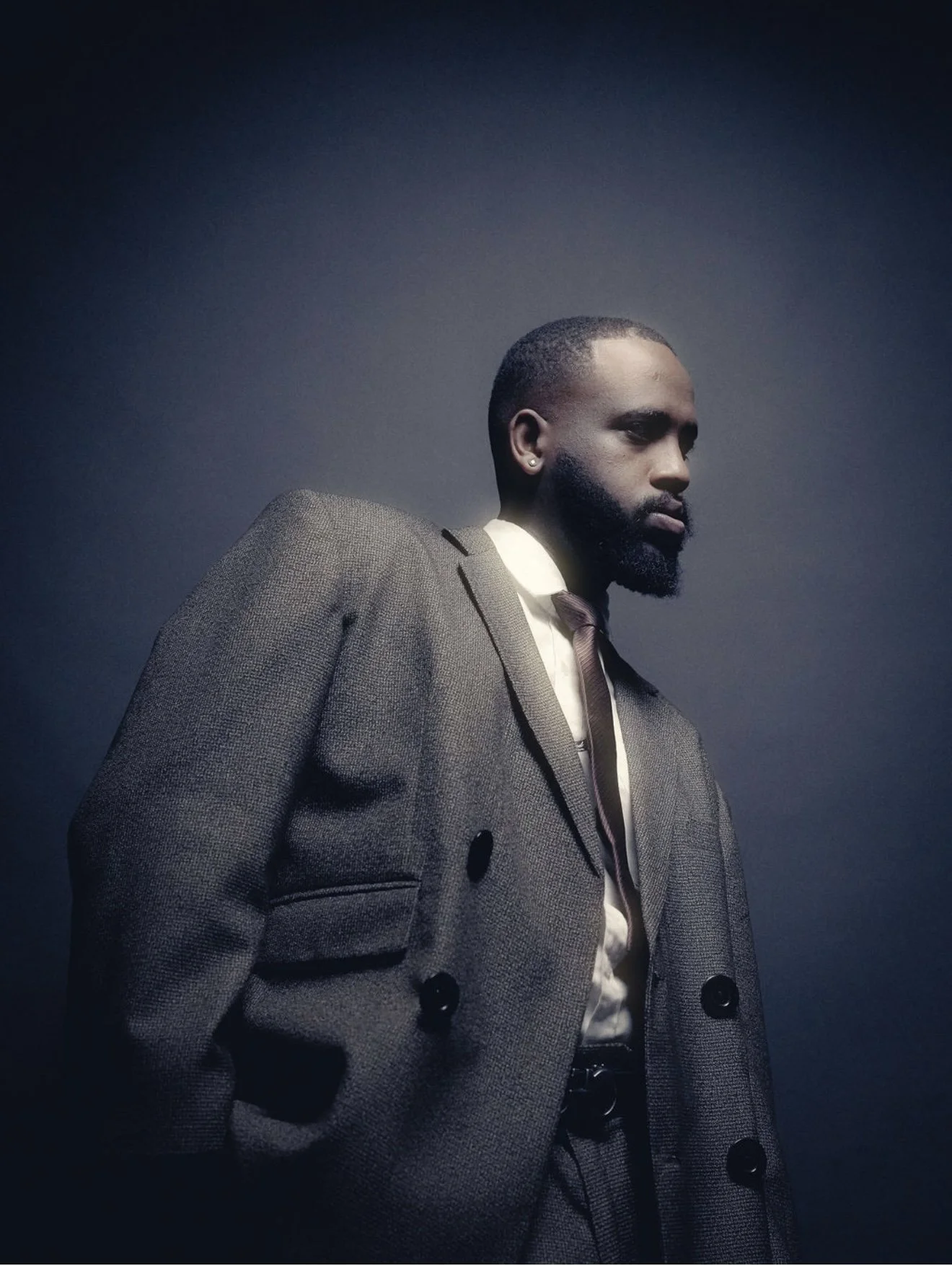
Born Brian Kimonyo, he first released music under the name MaestroBoomin. That younger version of himself was figuring out not just how to rap, but what identity he wanted to take on. In the end, the shift to KidFromKigali was the change he needed to firmly ground himself and his artistry to his heritage, and culture. “It helped me get closer to my roots. Even when people hear the sound and it feels international, they need to know where I’m from,” he says. Kigali shapes his story at every turn. Every milestone, every international collaboration and every stage carries the unspoken message of a larger purpose. “Whatever I do that’s big, I want everyone from my country to feel represented so they can feel like they can do it too.”
Those milestones are starting to pile up. From viral freestyles that launched him into the Rwandan hip-hop scene, to international collaborations like his track Business with U.S. rapper Skilla Baby, KidFromKigali has been steadily building a bridge between Kigali and the wider world. He has been featured on BBC 1Xtra’s digital platforms as an emerging lyricist, and has performed at major events, including the finale concert for the UCI Road World Championships in Kigali. Cultural representation also comes through high-profile partnerships, such as the PSG × Visit Rwanda collaboration, where he helped showcase Rwandan music and identity on a global stage. Representing Rwanda in rooms that weren’t necessarily built with African creative presence in mind carries weight. It demands discipline, restraint, and composure and he welcomes it. “I just have to be more disciplined and be the right example. I’m ready for that pressure.”
Part of his creative origin story surprisingly loops all the way back to Kenya. He attended high school at West Nairobi School, where music became a hobby before it morphed into a professional possibility. Freestyling with friends was fun and all, until a shift happened and certain truths became clear. “I started to realize I was better than them,” he laughs. “So I thought I should try taking this seriously.”
He went home, pulled up beats on YouTube, and practiced. Friendly competition became a purposeful endeavor. Years later, that discipline showed up online. Instagram freestyles, posted consistently, became his entry point into the rap scene. The freestyle that changed everything proved the format wasn’t a limitation but a lifechanging launchpad. His first major record was a freestyle. “That was the validation I needed. It made sense.”
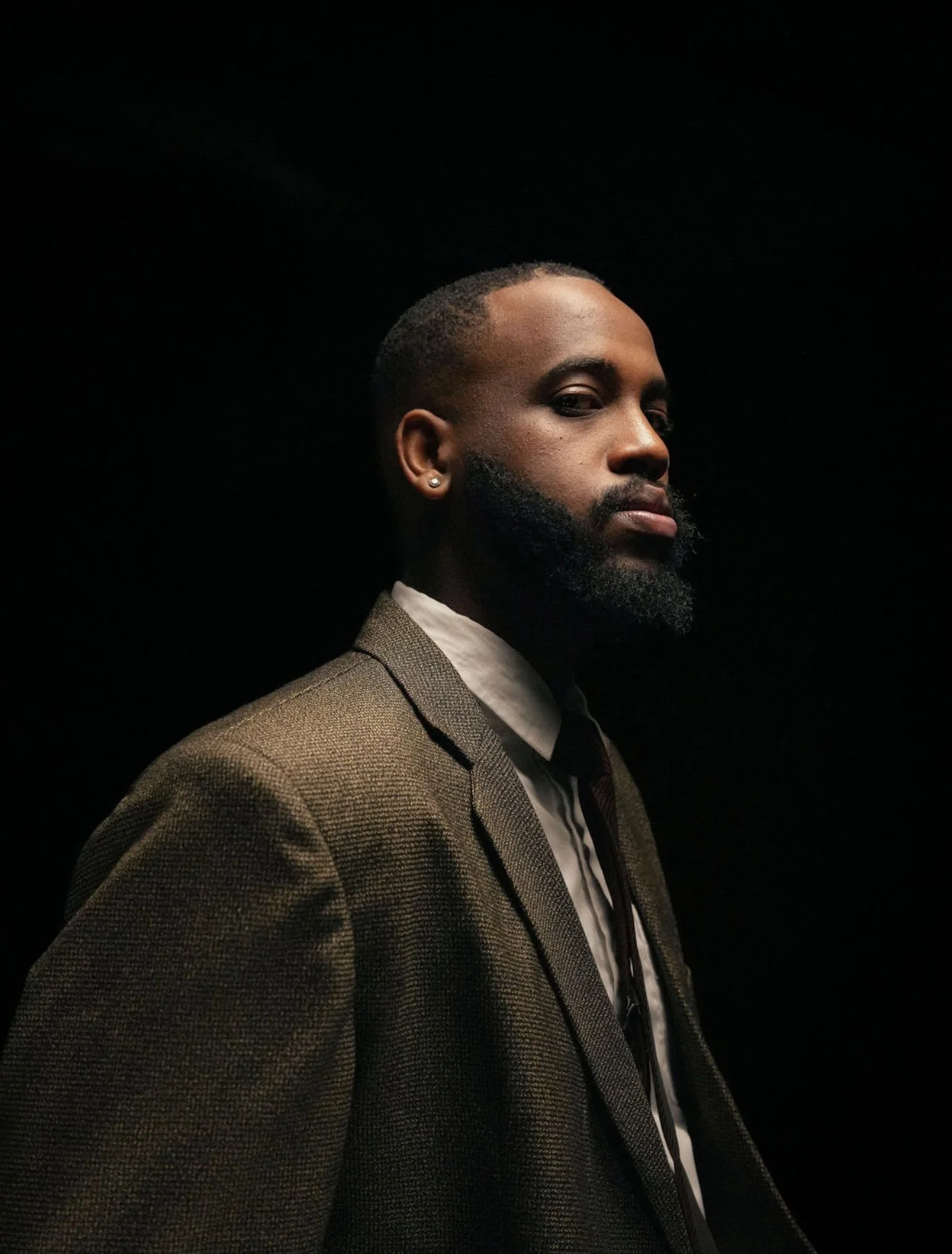
Listening to his catalogue now, the crosscurrents of his influences are almost tangibly apparent. The cadence and ambition of Western hip-hop he listened to as a teenager, fused with the textures of home. He grew up studying artists like Drake, Jay-Z, and Chance the Rapper, absorbing structure, delivery, and scale. But what makes his music his own is his influences from home and his chosen languages of expression. “I’m still a Rwandan kid. Even when I’m rapping in English, I have something the other rappers don’t.” That “something” is unmistakable as he brings Rwanda and hip-hop together by fusing English and Kinyarwanda on certain tracks, which shifts his music from contemporary hip-hop to a novel and genuinely impressive sonic experience. This choice paired with his unique phrasing, inflections and cultural references only further underscore the uniqueness of his brand of artistry. For him, the balance lies in finding ways to compete globally while remaining locally rooted.
Throughout his music, he toggles between sharp bars and melody with quite natural instinct. Rap comes from frustration, when something needs to be asserted. Melody comes when life is softer, messier. “Usually it’s a girl confusing my life,” he jokes, but beneath the humour is an awareness. He refuses to be boxed into one mode of expression.
When he finally released Stories from the Kid in 2025, it was the culmination of years of shaping his voice, his sound, and his purpose. Freestyles had built awareness, collaborations had hinted at potential, but a full album was the first real chance to be understood on his own terms and the timing finally felt right. “People can know you’re dope from freestyles,” he says, “but if they can’t listen to you in their daily life, it’s hard for them to understand who you are.” The album moves across different moods and modes; assertive bars, melodic introspection, self-affirmation and vulnerability, lending color to a finally complete picture of KidFromKigali. He tells the stories that matter to him: personal moments, the life of the city, the challenges and triumphs of Rwanda, and the experiences of the young people looking to him for inspiration. Collaborations like YUBUBU with Mike Kayihura, a song that had gestated for three years before finding its place on the project, underscore both his patience and his understanding of timing. Everything about the project feels authentic and balanced.“If I’m going to be Kid from Kigali, I’m not going to fake it,” he says. As an introductory body of work, it serves as an impactful statement of intent from the Rwandan native.
His self-belief runs loud through the music. He calls himself the best and he speaks things into existence. It can read as bravado, but for him, it is a matter of fact. “You’re the one who’s supposed to root for yourself before they do.” Still, ambition without infrastructure is complicated. Even with growing recognition, Kid from Kigali is candid about the challenges of turning music into a sustainable career. Rwanda’s industry is expanding, but monetization remains uneven, especially online. “Here we don’t really have any ads on YouTube, so we can't really earn from direct monetization off the platform,” he explains, reflecting on the gap that still exists for artists trying to earn from their craft. For him, the solution has been persistence, building a loyal fanbase, and leveraging social media to maintain visibility and momentum. It’s a balancing act between creative expression and practical business sense, a discipline he treats as integral to his artistry. “You can’t skip steps. You have to build your brand at home first,” he says, a philosophy that informs both his music and his growing influence
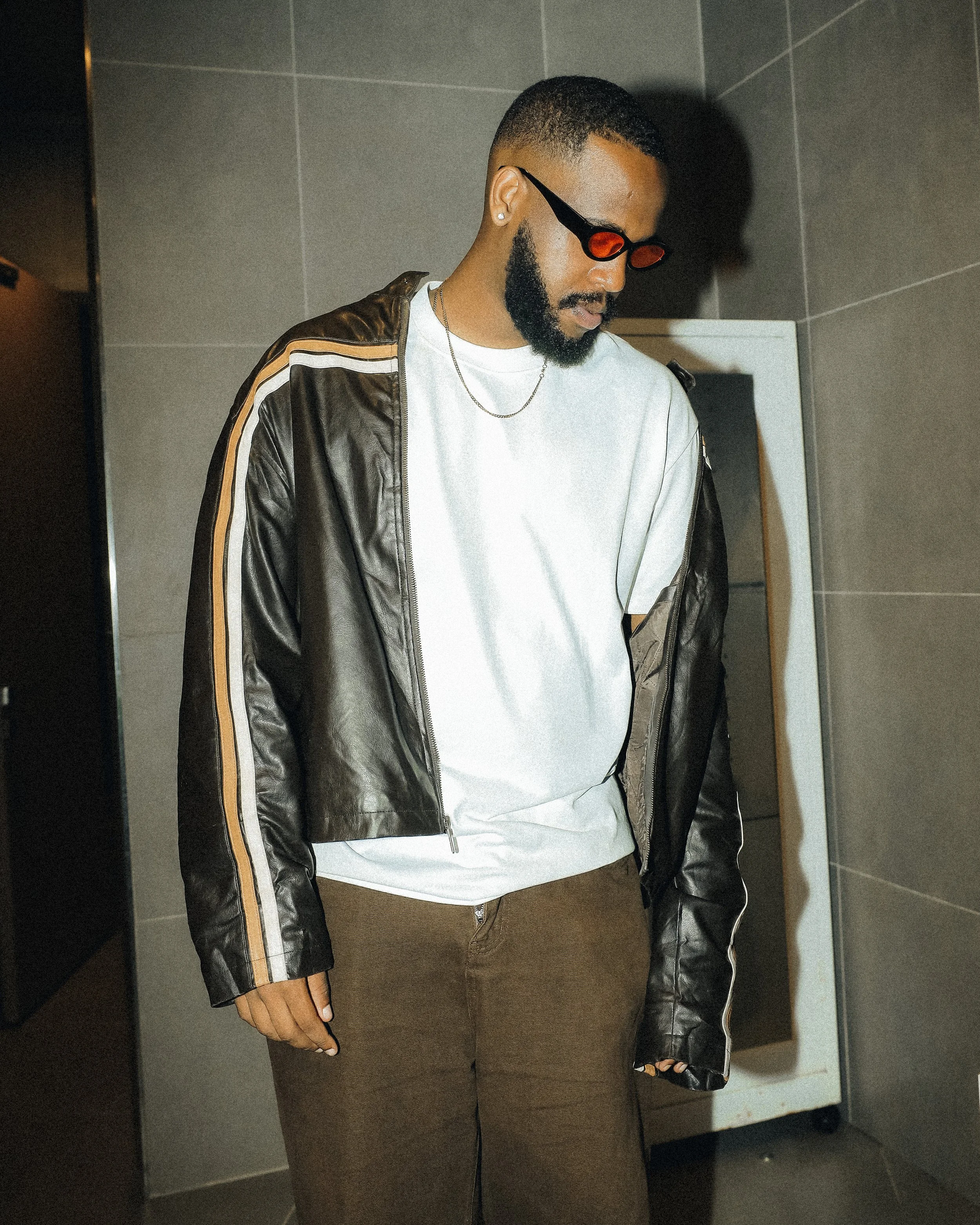
Outside of music, he’s an Arsenal fan. He unwinds with family, plays FIFA with friends, but music is the axis everything spins around. He’s exploring Afro house, plotting new collaborations, speaking about the future with optimistic expectation. One collaboration he’s particularly excited about? Working with Kenyan popstar Nikita Kering’. In five years, he wants to be fully recognized across East Africa, not just as a Rwandan artist, but as one helping push the region forward. His trajectory, from viral freestyles to international recognition, shows he is already on that path.
Before we end, I ask what advice he would give younger Rwandan creatives. “Trust your sound. Don’t feel entitled until you’ve really grown it. Have people around you who can tell you when it’s dope and when it’s trash. Work on the craft first. Then the blessings will come.”
Looking at his journey so far, it is clear that KidFromKigali is building something steady. He refuses to sacrifice his heritage, authenticity and artistic integrity on the altar of quick relevance and that is refreshing to see. No matter how far his sound travels, it will always bear the distinct mark of where he’s from, and therein lies his superpower.
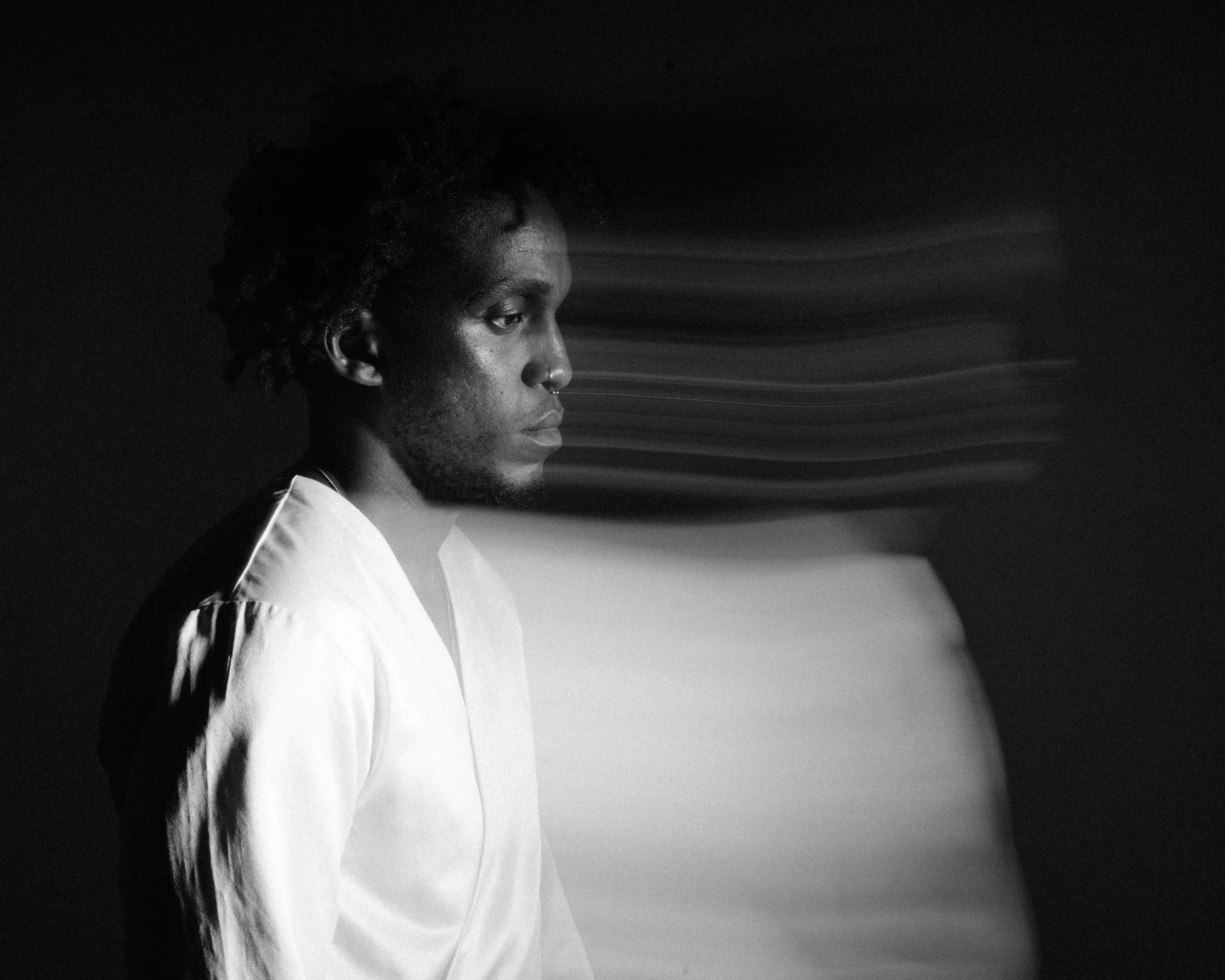
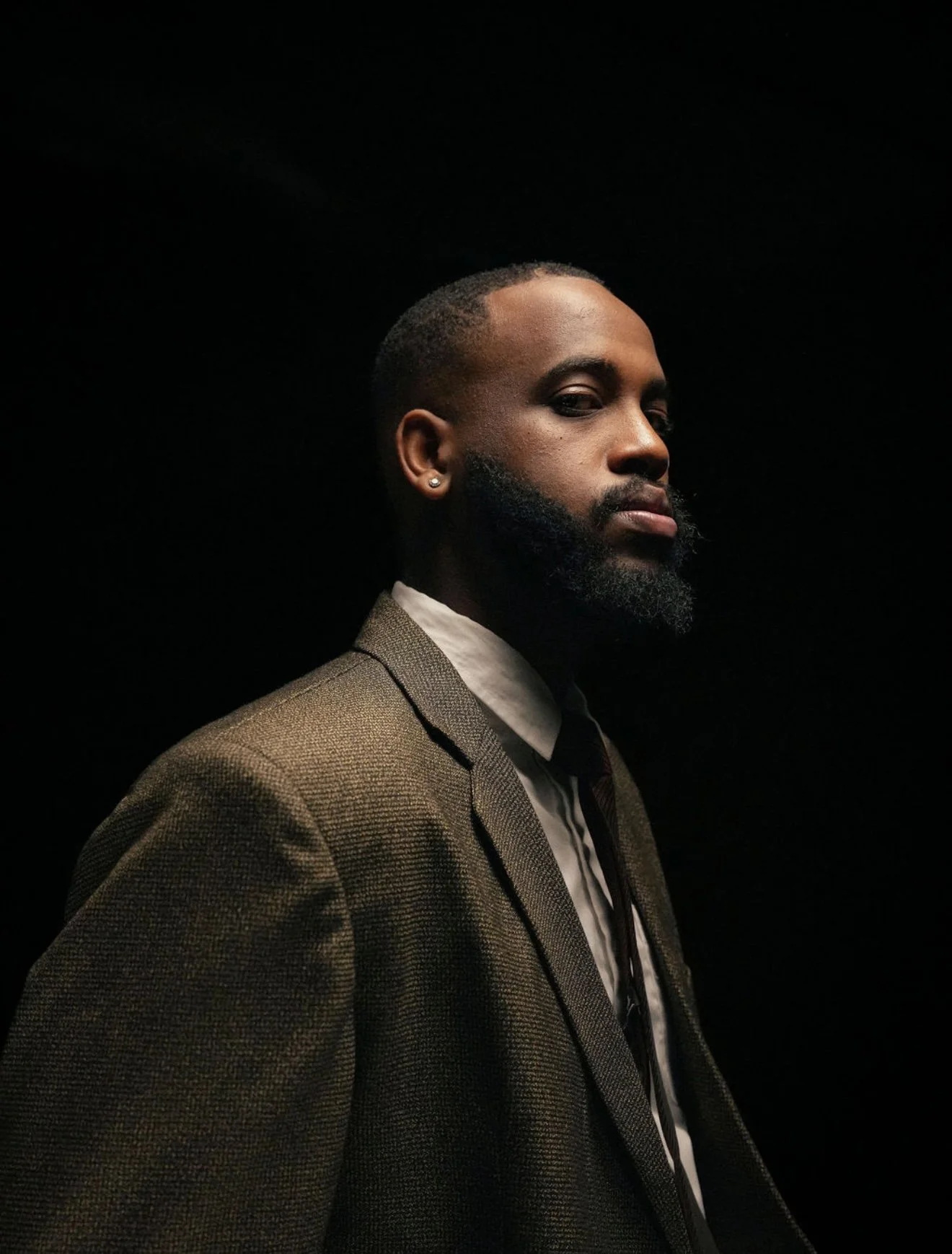
All photos courtesy of Umurwa.