Stories Into Song: Watendawili’s Hekaya Is a Love Letter to Community
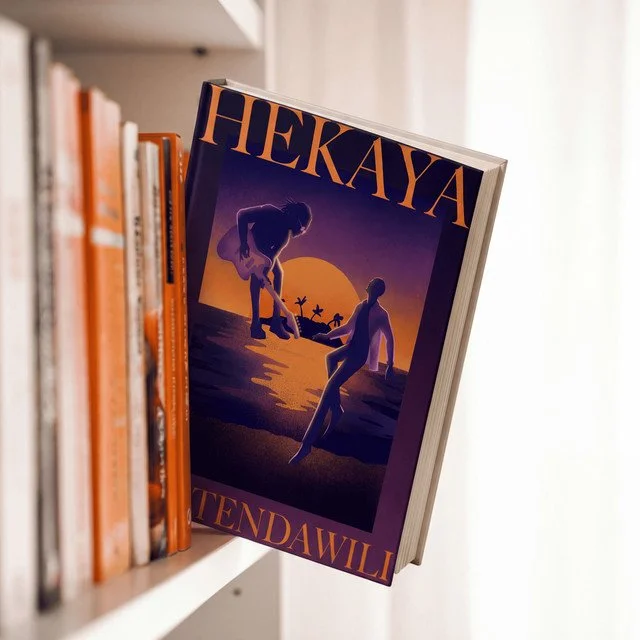
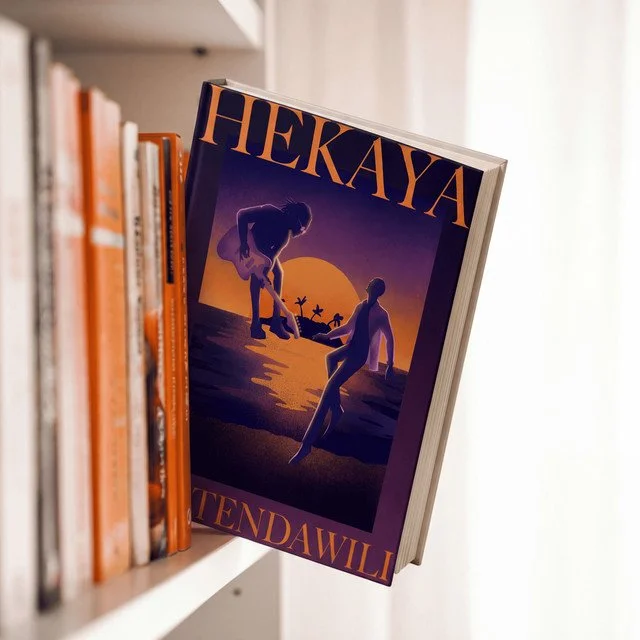
They’ve done it again, the twin towers of musicianship and songwriting; Ywaya Tajiri and Onyach Pala, known as Watendawili, released their 3rd studio project, the 6 track EP ‘Hekaya’ on February 25th, 2026. The duo didn’t just put out a project, but translated the stories of those who love their music into classics for them to hold on to. This EP is described as a collection of short stories as told by Watendawili fans, who showed up for them as it debuted at #2 on Apple Music Kenya. This project is composed of rhumba-inspired textures, intimate instrumentation, and rich Swahili, Luo, English, and French lyricism. Meaning 'stories' in Swahili, ‘Hekaya’ maps the experiences of their fanbase into a sonic landscape that explores the complexities of love, resilience, and present-day joy. Supported by brilliant musical minds like producer Run, guitarist and bassist Gloire Karume and Jeff Hamisi, vocalists Zawadi, Zalali, and Clark Keeng, alongside the brass textures of Hornsphere, the EP arrives as a cohesive, ambitious sound that expands Kenya’s modern acoustic and rhumba-soul landscape.
Tumia Pesa is the first track of the EP, and was also the only single for the project. Watendawili does not ease us into their world as much as they invite us to celebrate it right now. The record begins with a voice recording over the instrumental intro which includes the repeated phrase; ‘Nani atakula,’ or who is going to eat? . Lyrically, the track serves as a gentle reminder not to live solely for later; even as we chase financial security and navigate the weight of daily responsibilities, we are urged to enjoy life in the present. It turns an ordinary modern struggle into a communal anthem for living fully and beautifully in the now.
Lavender, featuring renowned brass collective Hornsphere, is an elegant, rhumba-soul infusion that stays true to the duo’s origins and authentic Kenyan sound. Lyrically, the track handles a delicate narrative of complex romance, exploring two lovers who have deeply hurt one another but are earnestly searching for a way to repair their fracture and stay together. In the chorus, the duo explains ‘sisi wote binadamu, mwenye hana kosa tu ni Yesu,’ in hopes of forgiveness and resolution. They explore how human nature can lead us to mistakes, but ultimately ‘tutatue shida zetu’ because problems are meant to be solved. The earnest vulnerability in Watendawili's vocal delivery captures the fragile reality of trying to fix a damaged bond, making it a memorable storyline. The following track, Naogelea, is a soulful and dreamy invocation that captures the weightlessness of falling deeply in love. The instrumentation features warm, acoustic guitar strings and airy vocal harmonies from Zawadi, Zalali, and Clark Keeng that sweep the listener into a peaceful haze. Lyrically, the song articulates the sensation of loving and being loved so completely that it feels like safely drowning in it in the best way possible. It beautifully embodies the pure optimism of a honeymoon phase, utilizing fluid sonic metaphors to draw the listener inward into a state of total romantic surrender.
Ngai Enda serves as a spiritual and emotional centerpiece of the project, a special dedication to the resilience of the Wozaa Gang. Lyrically, the track acts as an anchor of hope, reminding the listener that victory inevitably awaits on the other side of endurance. As said by the poets themselves; ‘yote yatapita no matter how long, vita tutashinda and we’ll make it back home’. The story of Watendawili is the epitome of continuing at a craft until you master it. This is what we need to hear after another day of feeling like we have failed. When listening it awakens the quiet strength needed to wake up every morning, face setbacks, chase dreams, and try again, this transforms the track into a powerful, meditative anthem of survival.
Ex Wangu starts with a maestro introduction verse from Onyach, followed by a deep, soothing tenor and rap verse from Ywaya. The background vocals are choruses of their own, and in combination with the horns, create a composition that leaves the listener infatuated. The track moves with a mischievous bounce and infectious rhythmic timing, keeping the mood light even as it tackles romantic confusion. Lyrically, Watendawili navigates the messy reality of returning to an ex, humorously noting that ‘streets ni chafu kutongoza pia nia kazi’.
In true Watendawili fashion, the project closes on a high with Mafrrrmbanya, a sonically vibrant track designed for movement. The song begins with an iconic producer tag and intro line; ‘everytime Watendawili link with Run Ya know how ting ting gwan’ and it’s true. The Watendawili and Run catalog is priceless. The swagger to this track is infectious, as the chorus declares that ‘tuko juu’ and they are certainly and most definitely up. This is also a testimony of what comes when you ‘jaribu tena’ as said in Ngai Enda, and creates a full circle moment for the project that satisfies.
Ultimately, Hekaya stands as a beautiful testament to what happens when community meets creativity. Inspired directly by the testimonies of their fans and brought to life through seamless collaboration, the EP functions as a living, shared experience between the artist and the listener. Written in just four days during a creative writing trip to the coastal town of Watamu, the project is a powerful testament to the raw, urgent chemistry defining Watendawili's current era.